
Type 1 Diabetes in Adults: What You Need to Know – Expert Guidelines and Practical Advice
- Health Communicator

- Jun 22
- 5 min read
Updated: Jul 9
Introduction
This article is based on the 2021 consensus report titled “The Management of Type 1 Diabetes in Adults” by the American Diabetes Association (ADA) and the European Association for the Study of Diabetes (EASD), published in Diabetes Care (Vol. 44, pp. 2589–2625). The report was authored by leading diabetes experts including Dr. Richard Holt (University of Southampton, UK), Dr. Hans de Vries (Amsterdam UMC, Netherlands), Dr. Amy Hess-Fischl (University of Chicago, USA), Dr. Irl Hirsch (UW Medicine Diabetes Institute, USA), Dr. Barbara Ludwig (Carl Gustav Carus University Hospital, Germany), and Dr. Kirsten Nørgaard (Steno Diabetes Center, Denmark), along with other experienced clinicians and researchers in the field.
The report summarizes the latest scientific evidence and best practices in the management of type 1 diabetes (T1D) in adults, based on a combination of clinical trials, observational studies, and expert consensus.


What the Experts Say: 5 Key Takeaways
Below are five important clinical recommendations from the ADA-EASD consensus report, each explained in simple terms for patients and their families.
1. How is type 1 diabetes diagnosed in adults?
“No single clinical feature can confirm a diagnosis of type 1 diabetes. However, some key signs include younger age at diagnosis (typically under 35), a lower body mass index (BMI <25 kg/m²), unintentional weight loss, diabetic ketoacidosis (DKA), and very high blood glucose levels at onset (>20 mmol/L or 360 mg/dL).”
What this means: Diagnosing type 1 diabetes in adults can be tricky because symptoms often overlap with type 2 diabetes. A full evaluation is usually needed, including blood tests for specific autoantibodies and C-peptide levels. These tests help confirm whether the body is still making insulin and whether an autoimmune process is involved.
2. What is the main goal of treatment for type 1 diabetes?
“The primary goal of treatment is to help people with type 1 diabetes live long, healthy lives. This means using insulin therapy to keep blood glucose levels as close to the individual target range as safely possible, in order to prevent or delay complications. At the same time, we aim to avoid low blood sugar (hypoglycemia) and support quality of life.”
What this means: Managing T1D is about maintaining a delicate balance—keeping blood sugar from going too high or too low. Treatment goals should be personalized and developed in partnership with your healthcare team.
3. What are the key blood sugar targets?
“Recommended goals include: HbA1c below 7.0% (53 mmol/mol), pre-meal glucose between 80–130 mg/dL (4.4–7.2 mmol/L), post-meal glucose (1–2 hours after eating) under 180 mg/dL (10.0 mmol/L), time-in-range (TIR) over 70%, and time below 70 mg/dL (<3.9 mmol/L) under 4%.”
What this means: These are general targets, but they should be adapted to each person’s age, lifestyle, health conditions, and risk of hypoglycemia. Continuous glucose monitoring (CGM) can help track and improve time-in-range.
4. Why is education and support so important?
“Diabetes self-management education and support (DSMES) is a vital part of care that enables all other treatments to be effective. It should be ongoing and tailored to individual needs throughout different life stages.”
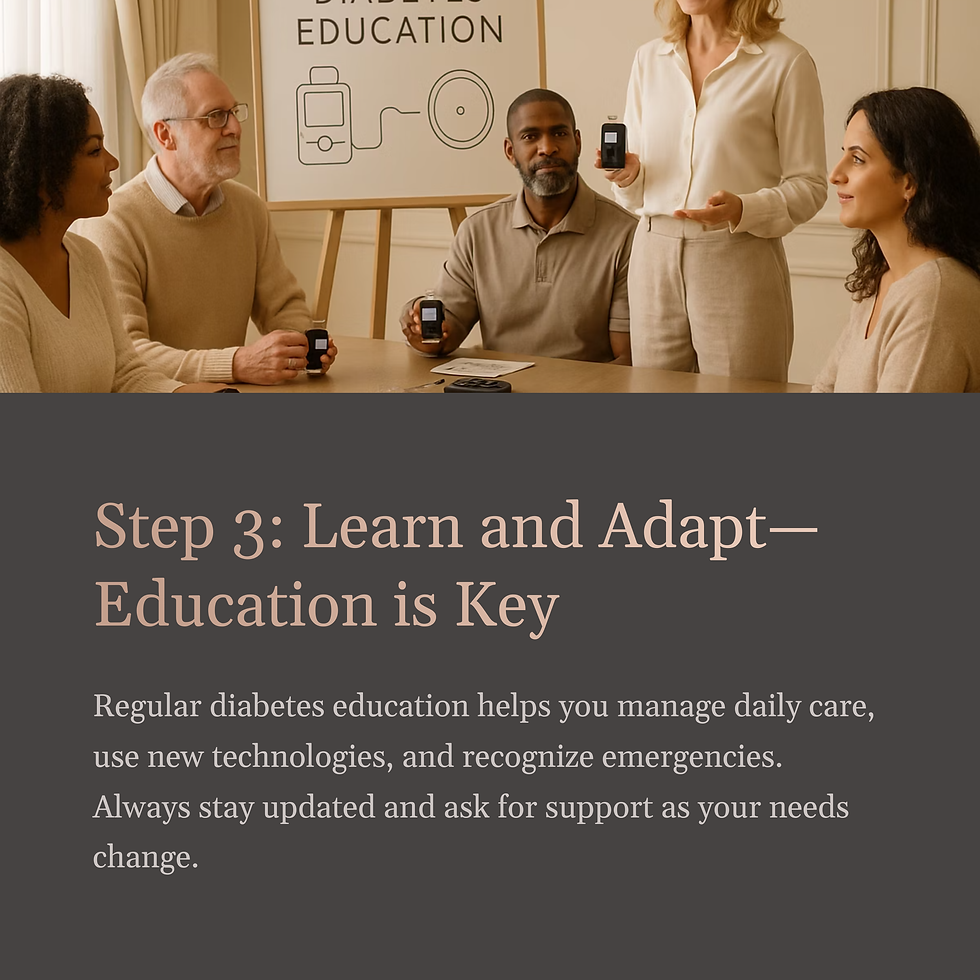
What this means: Learning how to manage T1D helps you gain confidence and avoid crises. DSMES covers more than just medical facts—it also includes coping strategies and how to use diabetes technology. It’s not a one-time event but a continuous learning process.
5. When should I see a psychologist or mental health expert?
“Referral to a mental health professional is recommended for signs of depression, eating disorders, high stress, diabetes burnout, or other psychosocial issues.”
What this means: Living with T1D can take a toll on emotional and mental health. Getting help from a psychologist or support group can improve your well-being and help you better manage your condition.
Q&A: Common Patient Questions
1. How can I be sure I really have type 1 diabetes, not another type?
Answer: Diagnosis involves a combination of factors: age at onset (usually under 35), lower body weight, sudden weight loss, high blood sugar levels, and possibly DKA. Doctors may test for specific autoantibodies (such as GAD, IA2, ZNT8) and measure C-peptide levels to confirm insulin production. In unclear cases, genetic testing may be done to rule out other forms like monogenic diabetes. If doubt remains, some tests (especially C-peptide) may be repeated a few years after diagnosis.
2. What blood sugar goals should I aim for?
Answer:
HbA1c: Under 7.0% (53 mmol/mol)
Pre-meal glucose: 80–130 mg/dL (4.4–7.2 mmol/L)
Post-meal glucose (1–2 hours after eating): Under 180 mg/dL (10.0 mmol/L)
Time in target range (TIR): Over 70%
Time below 70 mg/dL: Under 4%
Time below 54 mg/dL: Under 1%
These targets should be individualized with your healthcare team based on age, health conditions, and risk of low blood sugar.
3. What should I know about managing my diabetes day-to-day?
Answer: Education is essential. You’ll need to understand:
What type 1 diabetes is and how it affects your body
How to count carbohydrates and adjust insulin
How physical activity impacts your blood sugar
How to use diabetes technology like insulin pumps and CGMs
How to recognize and treat emergencies like low blood sugar or DKA
Learning is ongoing, especially when starting new treatments or facing new challenges.
4. What regular checkups and tests do I need?
Answer:
HbA1c: Every 3–12 months
Blood pressure and weight: At each visit or at least annually
Kidney function (creatinine and urine albumin-to-creatinine ratio): Yearly
Cholesterol and lipid profile: Based on individual risk
Screening for other autoimmune diseases (thyroid, vitamin B12/D, celiac): At least once or as needed
Eye exam, foot check, skin and oral health exam: Yearly or more often if needed
Your care team may adjust this schedule based on your specific needs.
5. How can I recognize and handle emergencies like low blood sugar or DKA?
Answer:
Low blood sugar (hypoglycemia) can cause sweating, shaking, fast heartbeat, confusion, irritability, or fainting. If your glucose drops below 70 mg/dL (3.9 mmol/L), take 15g of fast-acting carbohydrates (like glucose tablets or juice).
Diabetic ketoacidosis (DKA) often occurs with missed insulin or during illness. Symptoms include thirst, frequent urination, nausea, vomiting, stomach pain, fruity-smelling breath, and confusion. If you suspect DKA, check your ketone levels and seek emergency care right away.
It’s a good idea to keep glucagon (for severe lows) and ketone test strips at home and to receive proper training on how to use them.
Conclusion
This article highlights key information from the ADA/EASD consensus report on managing type 1 diabetes in adults. Whether you're newly diagnosed or looking to improve your current management plan, these guidelines offer practical advice based on the latest science and clinical experience. With the right support, tools, and knowledge, you can feel more confident in your day-to-day care and long-term health.
For personal treatment decisions, always consult your endocrinologist or diabetes care team.
Source: The Management of Type 1 Diabetes in Adults. A Consensus Report by the ADA and EASD, Diabetes Care 2021; 44:2589–2625.


Comments